
Lithium battery fire hazard in the waste and recycling industries
In the waste and recycling industries, fire incidens can occur in daily operation. The causes of these fire incidents include traditional hazards like aerosol cans, propane storage tanks, fertilizers, as well as new technology hazards such as lithium-ion batteries. With the increasing use of lithium ion batteries in everyday household items, fire risks are growing ech and every day.
In March 2019, a lithium-ion batter sparked a five-alarm fire at a recycling facility in Queens, New York City. The fire lasted for two days. That same month, an Indianapolis recycling plant also shut down after a fire blamed on batteries. In 2017, fires from discarded smartphones accounted for 65% of California’s waste facility fires. In the UK, fire and rescue services attend around 300 significant fires in the waste sites each year.
Waste managers are urging residents to porperly dispose electronics at designated recycling centers or hazardouse waste collection sites. But it often happens that lithium batteries and devices carrying them end up in the wrong bin.
The standards for tradtional fire safety equipment such as sprinklers and fire extinguishers work in many occupations. However, in the waste and recycling industries, bare minimum safety measures are not enough to proactively protect from everyday hazards.
Recommended products
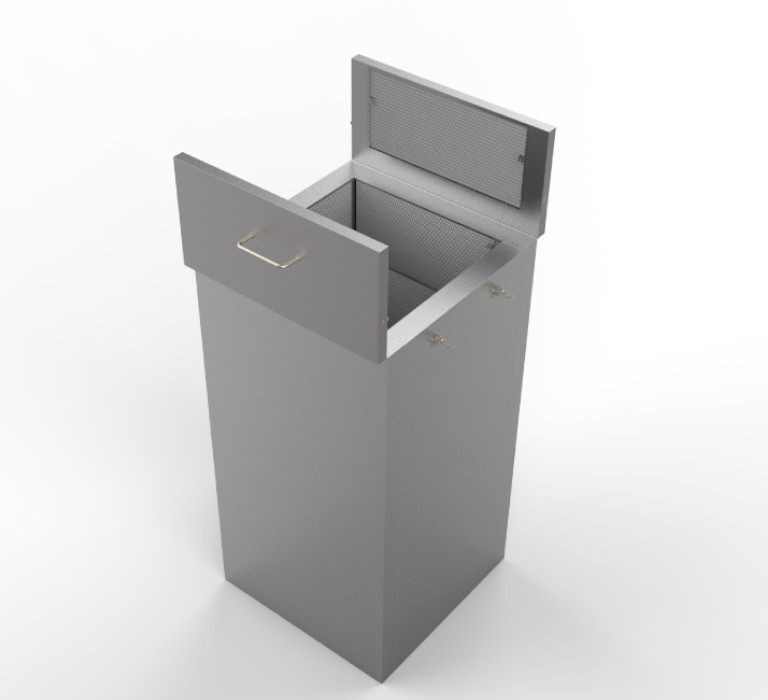
LithiumSafe™ Battery Box
LithiumSafe™ Battery Bag

LithiumSafe™ Gloves